RESTORE Project (Restoration of Livestock Services in Conflict and Drought-Affected Areas of Ethiopia)
Project Duration: 19 July 2024 - 18 July 2028
Project Overview
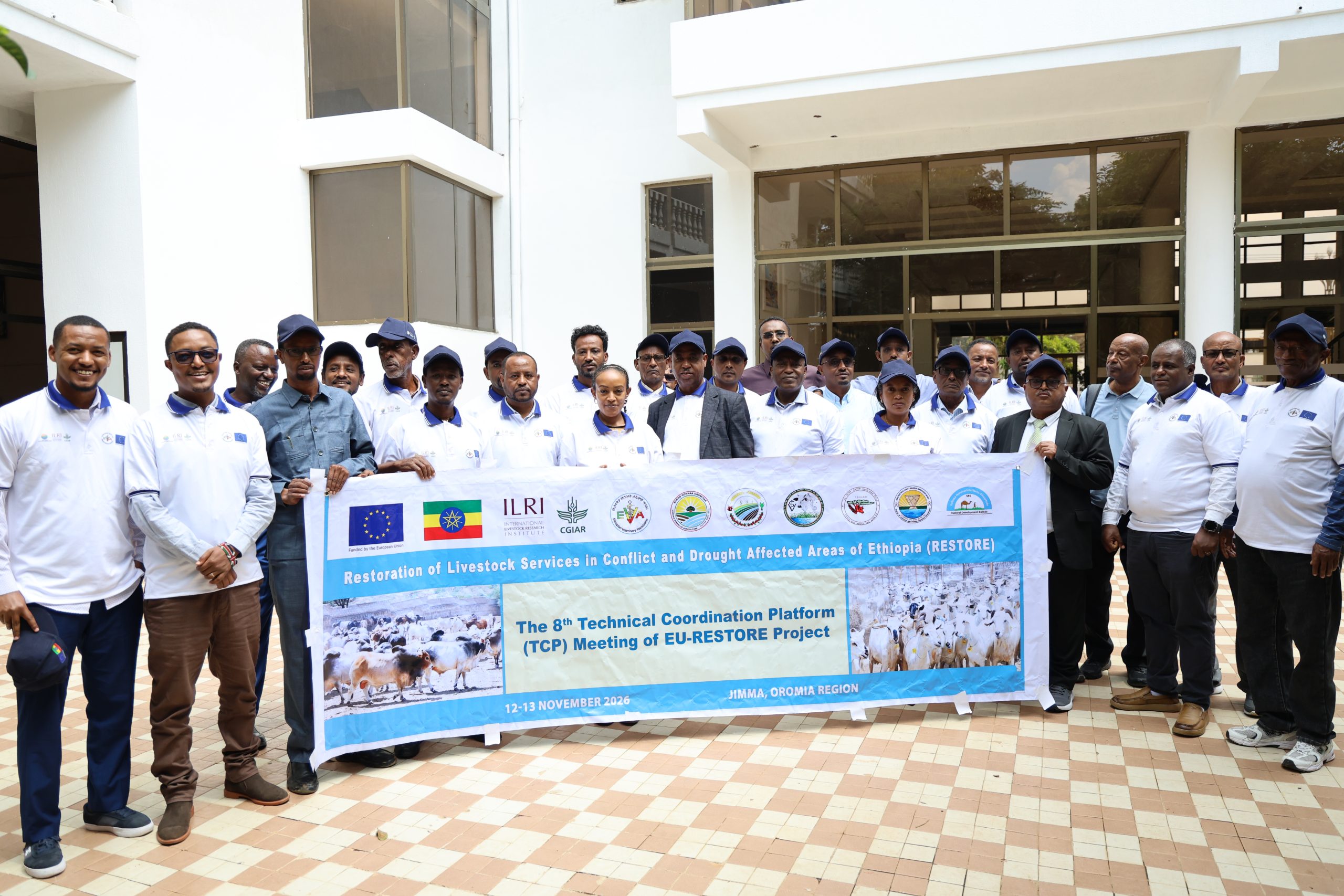
The RESTORE project is a 4-years (2024 – 2028) EU-funded initiative with a total budget of €15,694,483, a part of the EU’s Individual Measure 3 (IM3) for agricultural recovery in conflict-and drought-affected regions of Ethiopia. It builds on previous EU-funded programs like LVC-PPD (2010-2015) and HEARD (2019-2023).
The project aims to strengthen livestock production systems and disease prevention, detection & control through innovative, gender-sensitive approaches, improving veterinary service quality, reducing young stock mortality, and improving market access. Aligned with Ethiopia’s national policies, the project supports private-sector engagement and public-private partnerships to enhance livestock service delivery.
Moreover, it focuses on restoring lost livestock assets and veterinary systems, promoting sustainable food production, and improving food security & nutrition security. With a particular emphasis on women and youth groups, the initiative seeks to improve food supply chain continuity, increase access to nutritional livestock products, and foster environmentally sustainable food systems.
Objectives and Expected Results
✅ Overall Objective: To enhance food security, nutrition, and livelihood resilience in conflict-affected areas while reducing greenhouse gas emissions
✅ Specific Objective: Too sustainably restore livestock production systems in affected areas; improve sector productivity and enhance market opportunities.
Result 1: Livestock service delivery systems restored in conflict and drought-affected areas.
Result 2: Improved integration and efficiency of public and private veterinary services.
Result 3: Strengthened enforcement of animal health and food safety standards to meet market requirements.
Result 4: Increased availability and quality of livestock feed through private sector-driven production
Result 5: Enhanced quality of hides and skins through improved animal health interventions
Intervention Areas
The RESTORE project is implemented across six Ethiopian regional states (Amhara, Oromia, Somali, Tigray, Afar, and South Ethiopia). These regions were selected based on vulnerability to conflict and drought. A total of 106 woredas are covered under the program, ensuring targeted livestock service restoration and capacity-building interventions.
Project Coordinator
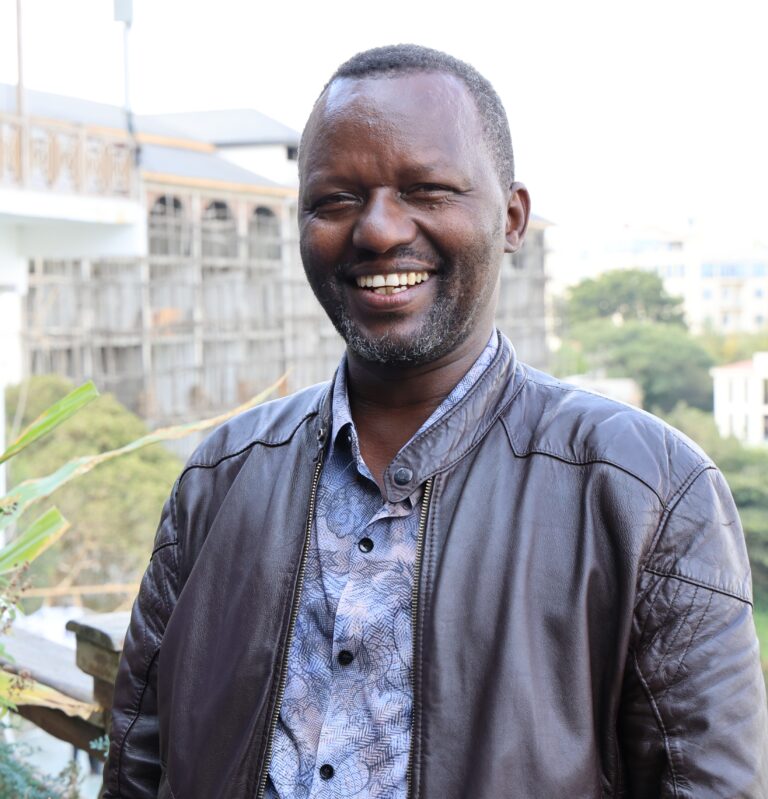
Dr. Gewado Ayledo
implementing partners
Project Implementers: The RESTORE project is carried out by four implementing partners (IPs) who handle regional-level implementation, supported by a technical assistance team responsible for the overall coordination, monitoring and technical guidance.
The IPs include the following;
- ILRI-LED RESTORE: Implemented in Tigray, Afar, and South Ethiopia in collaboration with the Ethiopian Veterinary Association (EVA) and the three regions. Besides, ILRI and EVA have some innovative interventions in Amhara, Oromia and Somali.
- RESTORE-Oromia: implemented by the Oromia Bureau of Agriculture within the Oromia region.
- RESTORE-Amhara: Implemented by the Amhara Livestock & Fishery Development Office within the Amhara region.
- RESTORE-Somali: Implemented by the Somali Pastoralist
Activities Led by EVA RESTORE
Under the ILRI-led component, EVA operates several activities under Result 2: Improved integration and efficiency of public and private veterinary services.
With a total budget worth €1,012,435.00, EVA implements the following major activities:
- Strengthening the capacity of public institutions to control and regulate animal health
- Strengthening the quality of public and private veterinary services
- Investigate how improved livestock production efficiency can reduce ecological and climate change impacts
- Continue to enhance the capacity of the animal health sector
Target Primary and Secondary Beneficiaries
- Livestock keeping households and value chain actors
- Regional and woreda public animal health services
- Private vets and feed producers
- Consumers of livestock products
Donors